
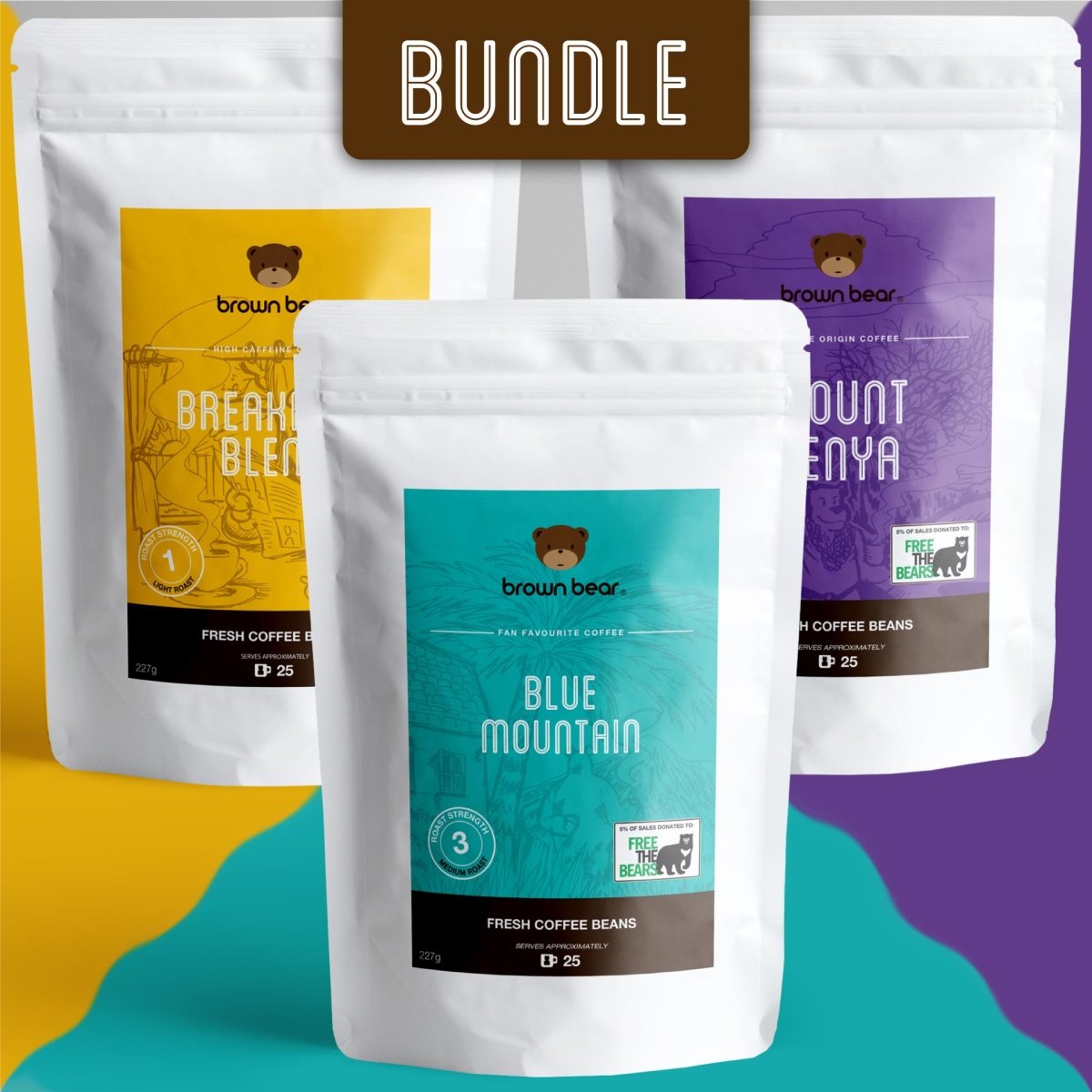
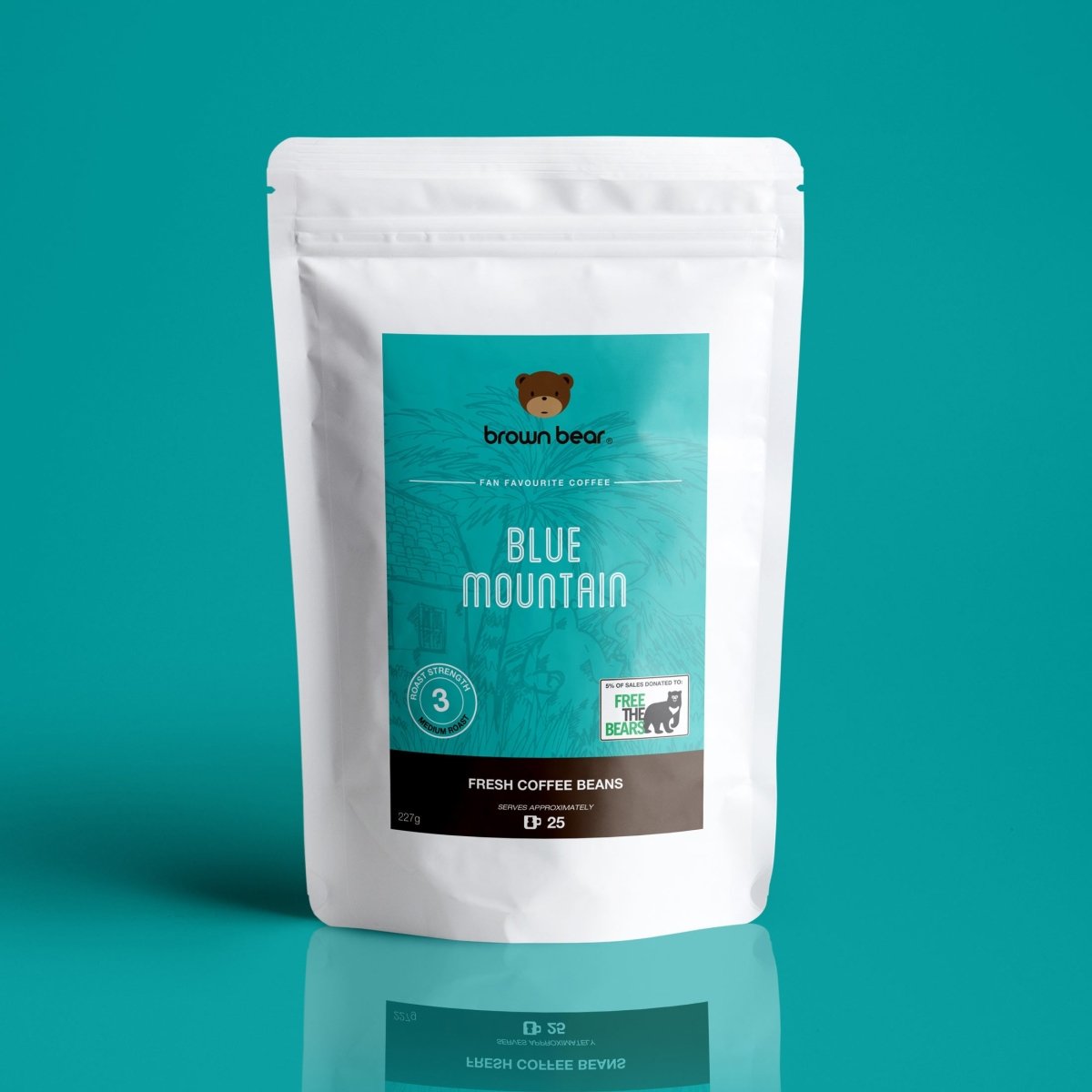
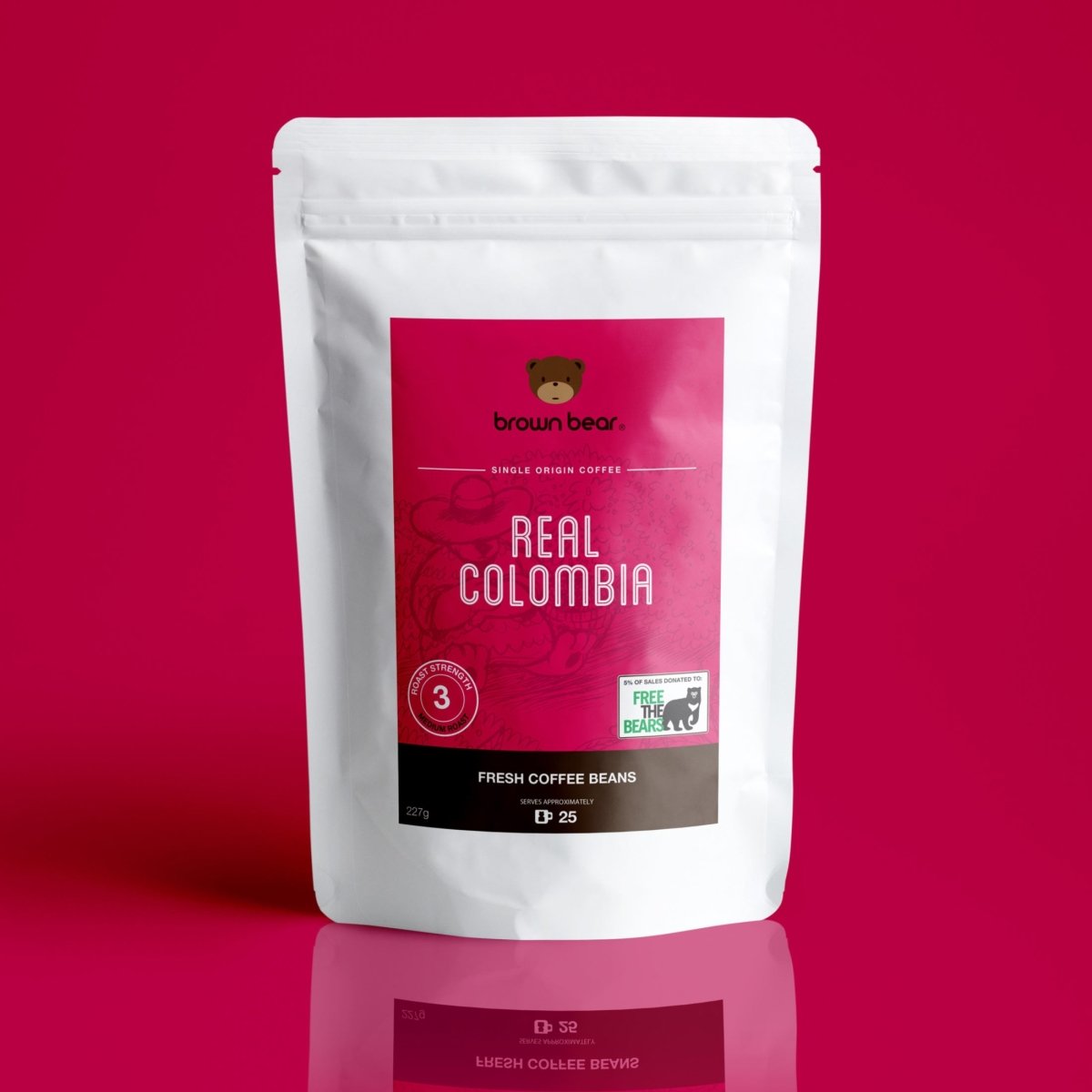
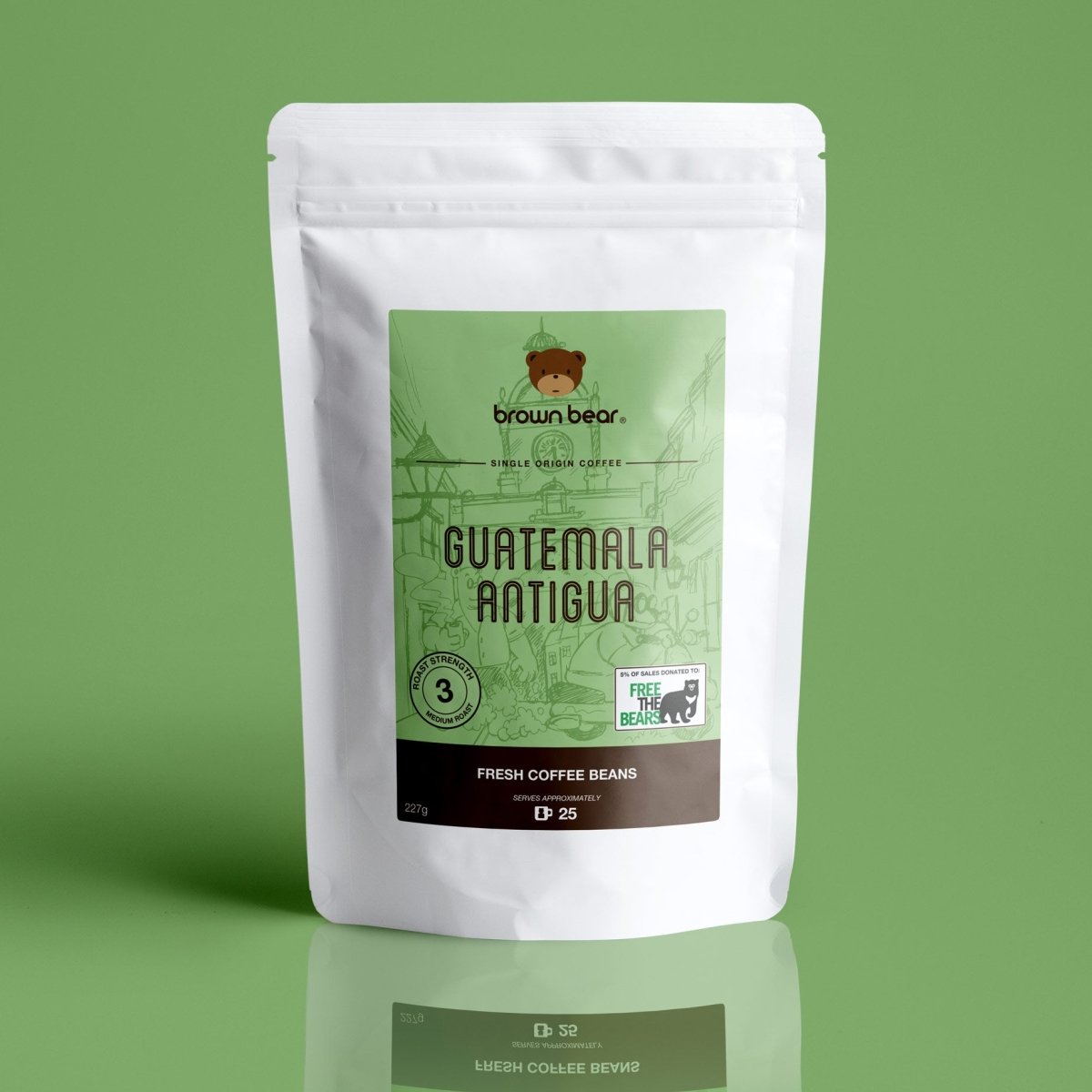








A good coffee bundle should not leave someone with three bags they are unsure how to brew. It should make the next morning easier, tastier and a little more interesting. Knowing how to build a coffee bundle starts with one simple question: is it for their everyday cup, a present, or both?
The answer shapes everything from roast level to format. A bundle for a home worker who makes a cafetiere each morning needs a different balance from one for a keen espresso drinker, a cold brew fan or a gift recipient whose routine you do not know. Start with what will get used, then add just enough variety to make it feel generous.
Start with the drinker, not the coffee
It is tempting to choose coffees by country first, especially when Kenya, Colombia, Brazil or Ethiopia all sound appealing. Origin matters, but it is rarely the easiest starting point for someone buying coffee for the home. Roast preference and brew method are usually more useful.
Think about how the person likes their coffee. Do they drink it black, or with milk? Do they want a strong, bold cup before work, or something smoother for a slow weekend? A dark or ultra-dark roast usually suits people who enjoy powerful flavour, rich chocolatey notes and coffee that holds its own in milk. Medium roast is a dependable all-rounder, while lighter roasts are often a better match for drinkers who enjoy brighter, fruitier character.
If you are building a bundle for someone else and do not know their preference, choose a medium roast as the anchor. It is familiar, versatile and easy to enjoy across common home brewing methods. Pair it with one more distinctive option rather than filling the whole bundle with coffees that may feel unfamiliar.
Choose one anchor coffee and two supporting bags
The most useful bundles have a centre of gravity. Pick one coffee that feels safe and repeatable, then build around it. For many households, that means a medium or dark roast in a size that will last through the week.
The supporting coffees should each have a purpose. One might offer a change of pace, such as a lighter roast with a brighter profile. Another could solve a practical need, such as a decaf option for afternoons and evenings. This creates choice without turning the cupboard into a tasting laboratory.
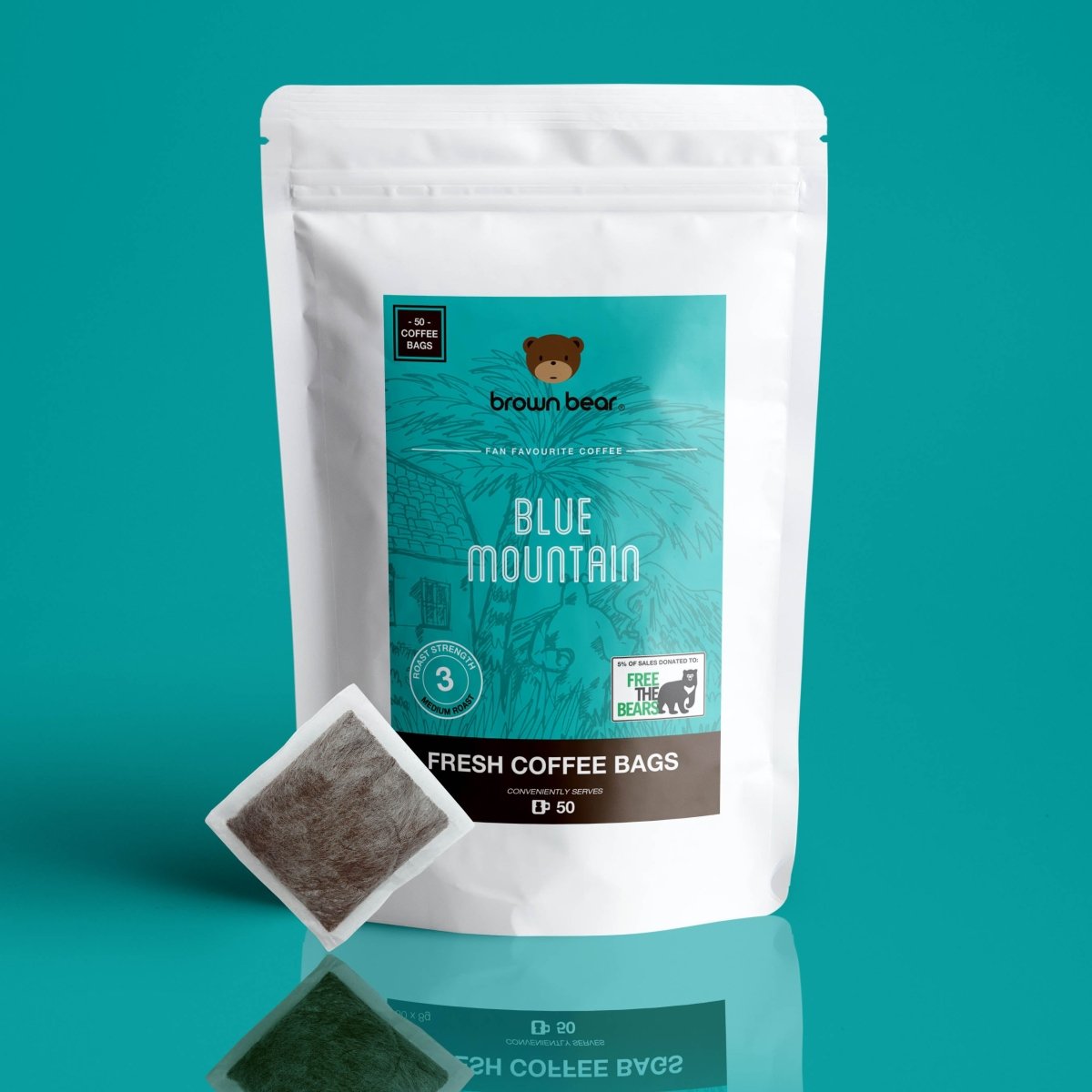
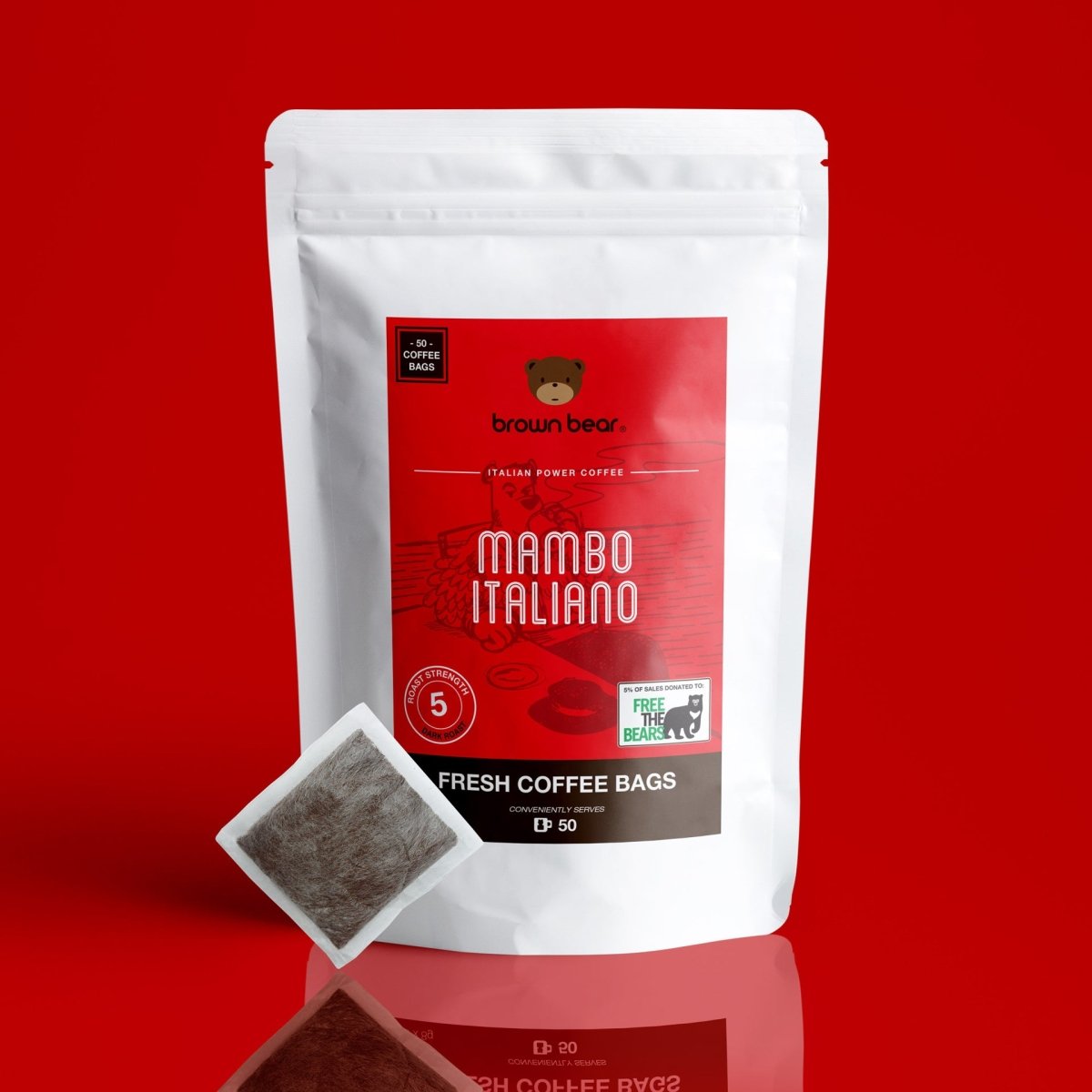
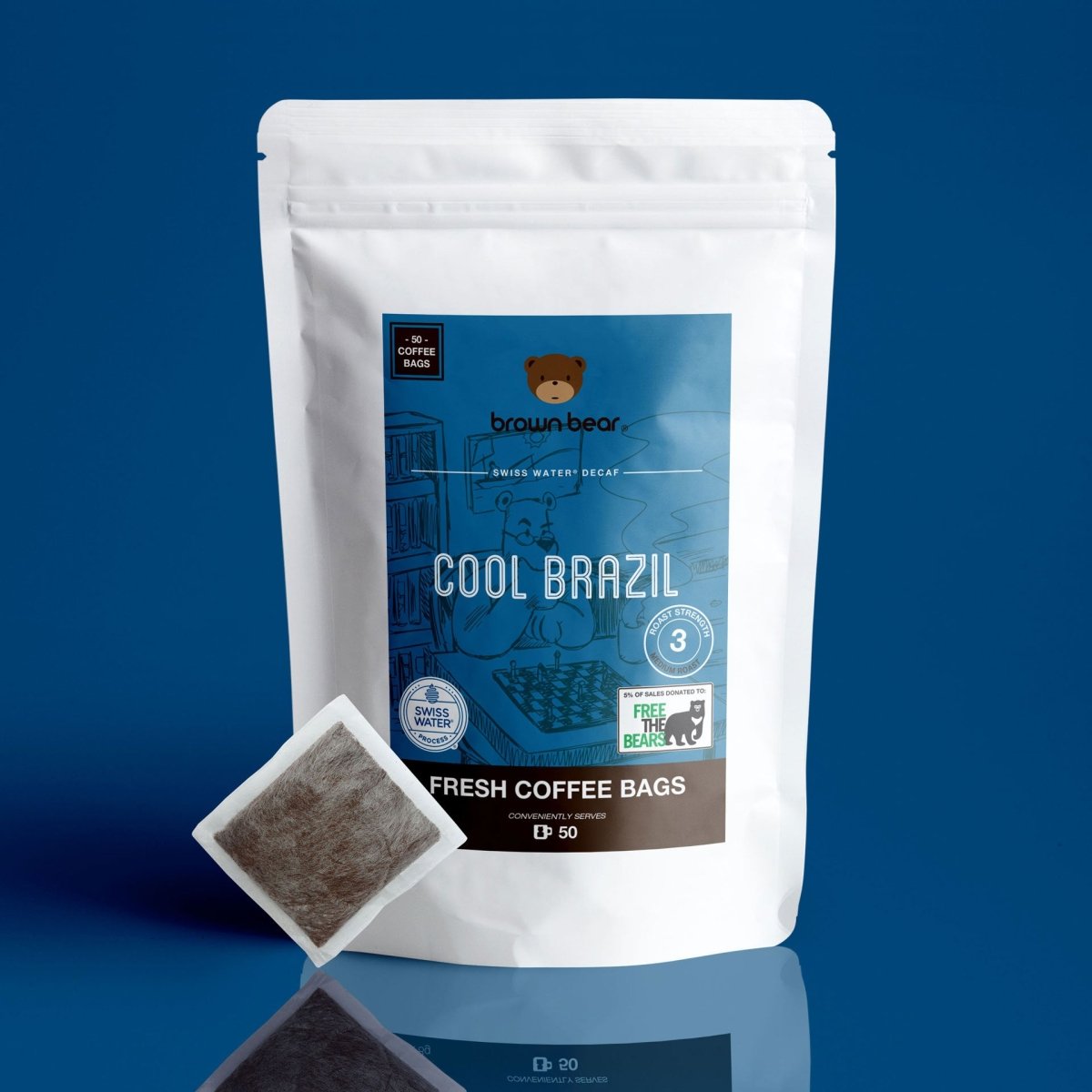
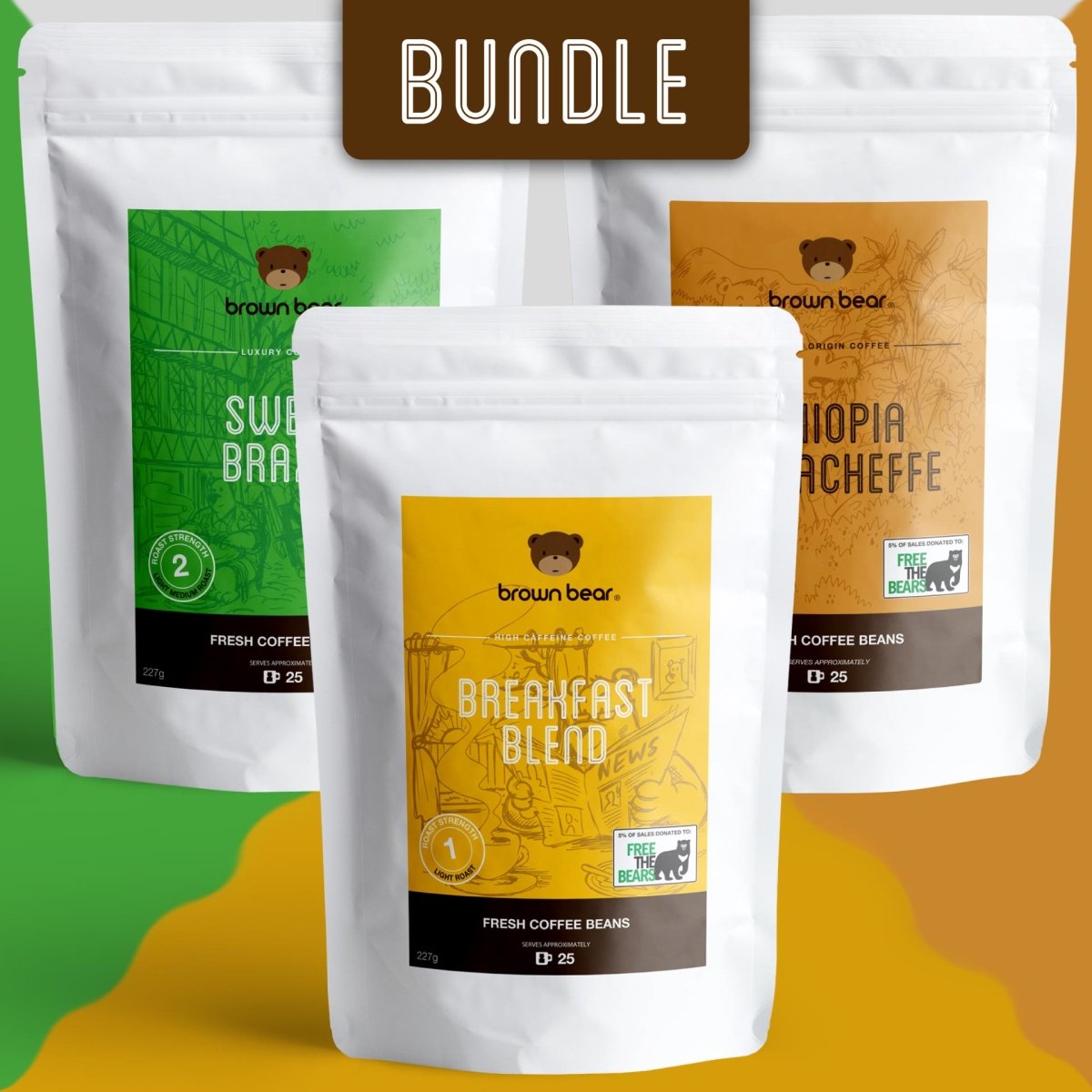
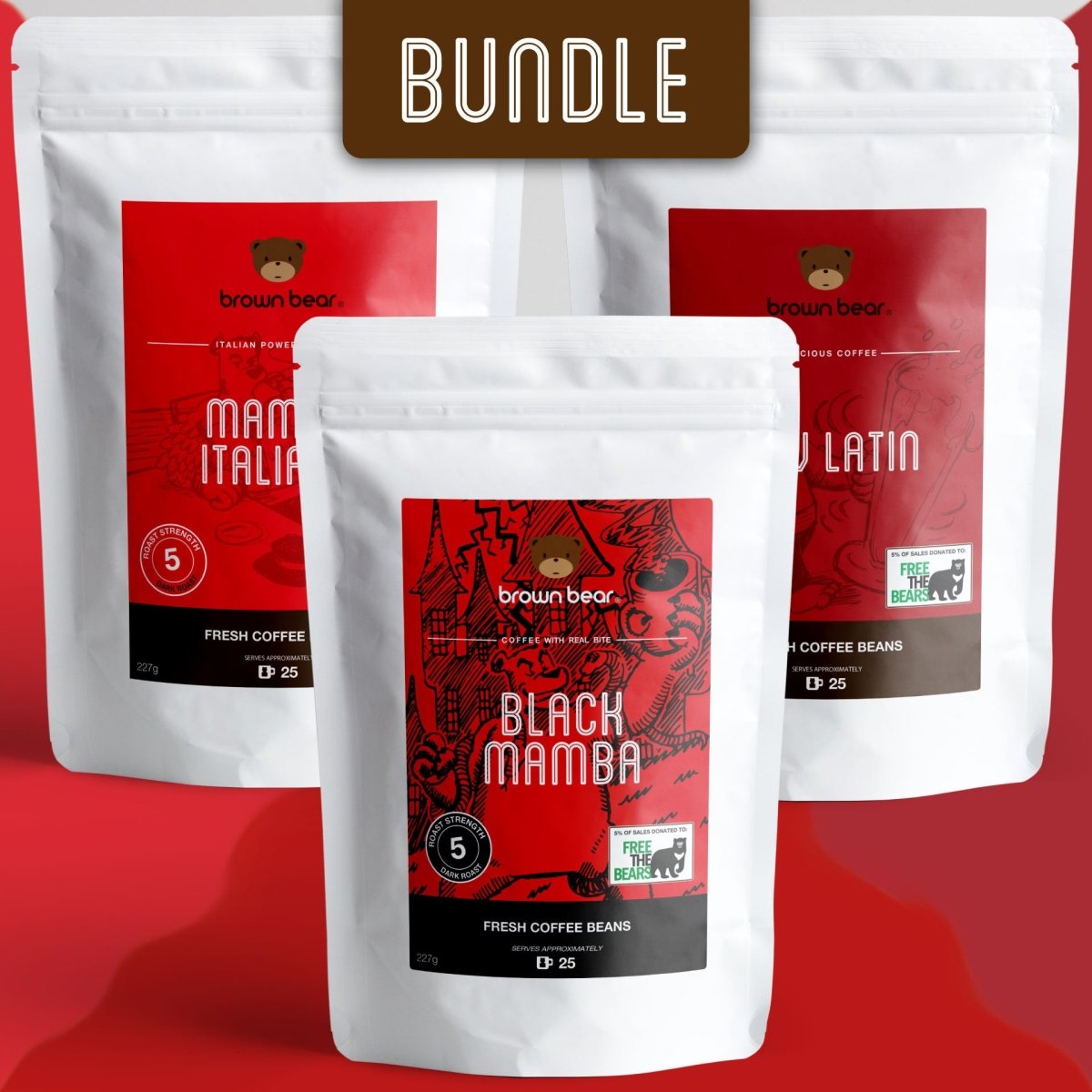
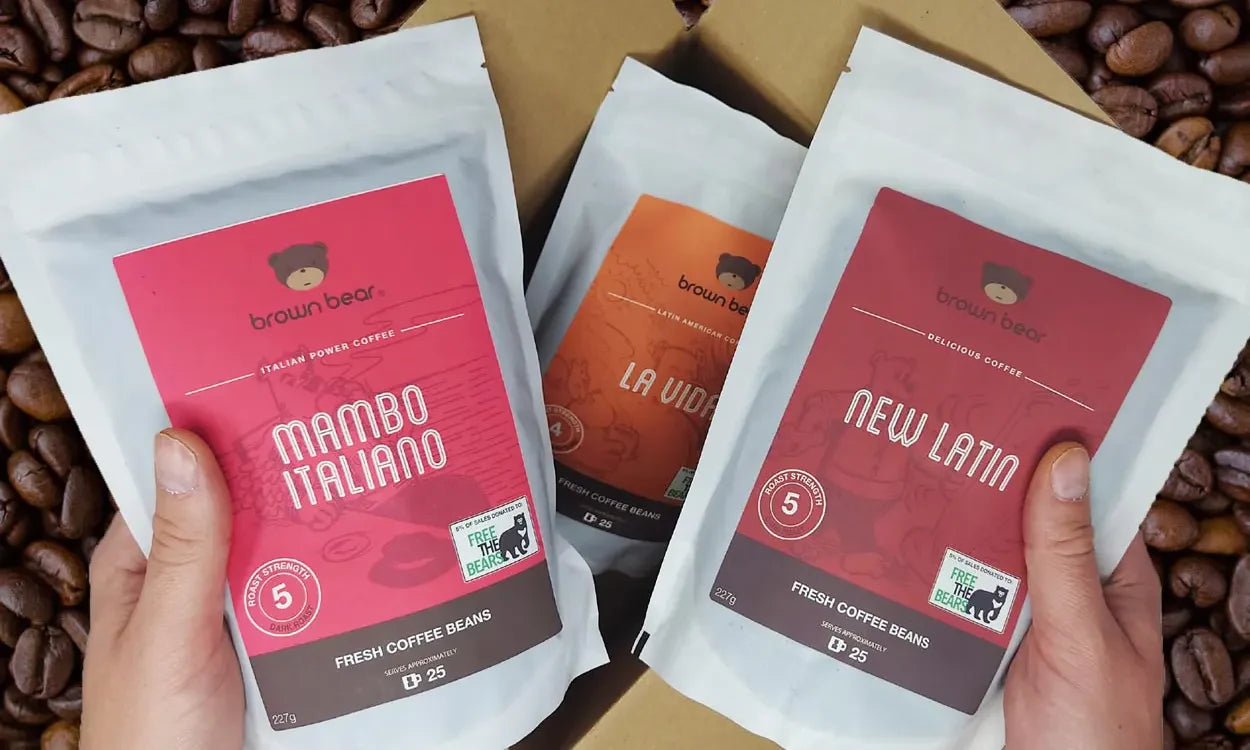
A three-coffee bundle works especially well because it gives enough range without asking the drinker to make too many decisions. You could combine a smooth medium roast for everyday mugs, a powerful dark roast for milk-based drinks, and decaf for later in the day. For a more origin-led selection, use one familiar profile alongside two coffees with clearly different character, rather than choosing three that are likely to taste similar.
Avoid building a bundle entirely around novelty. A very light roast, a punchy ultra-dark roast and an unusual processing style may sound exciting, but it can be a risky combination for a person who simply wants reliable coffee at breakfast. Variety is valuable when it still fits their routine.
Match the format to the way they brew
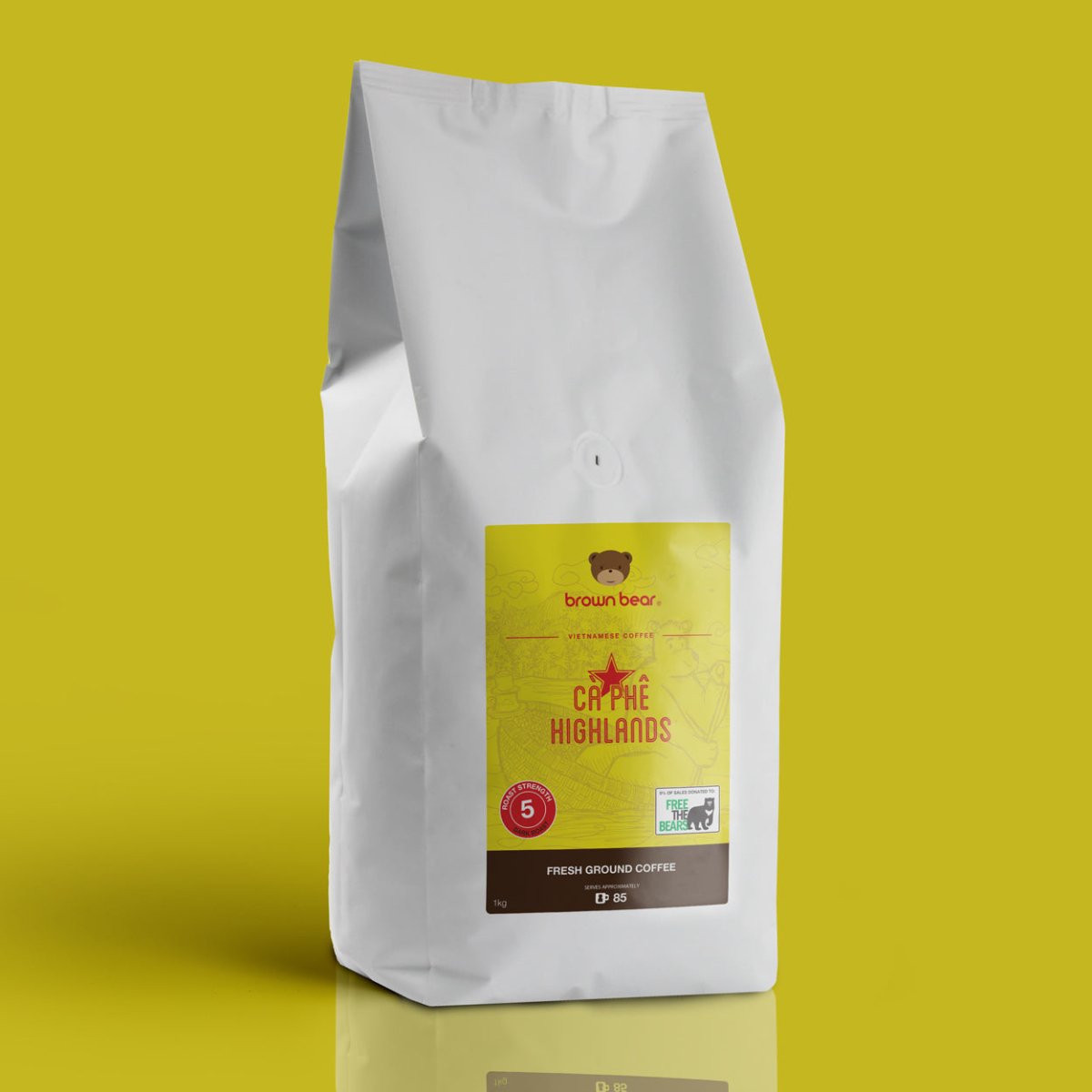
The best coffee in the wrong format is inconvenient coffee. Before choosing the bundle, consider the equipment available at home. Whole beans are ideal for people with a grinder and for anyone who values grinding fresh each time. Ground coffee is the sensible choice for a cafetiere, moka pot, filter machine or espresso machine without a grinder, provided you select a suitable grind.
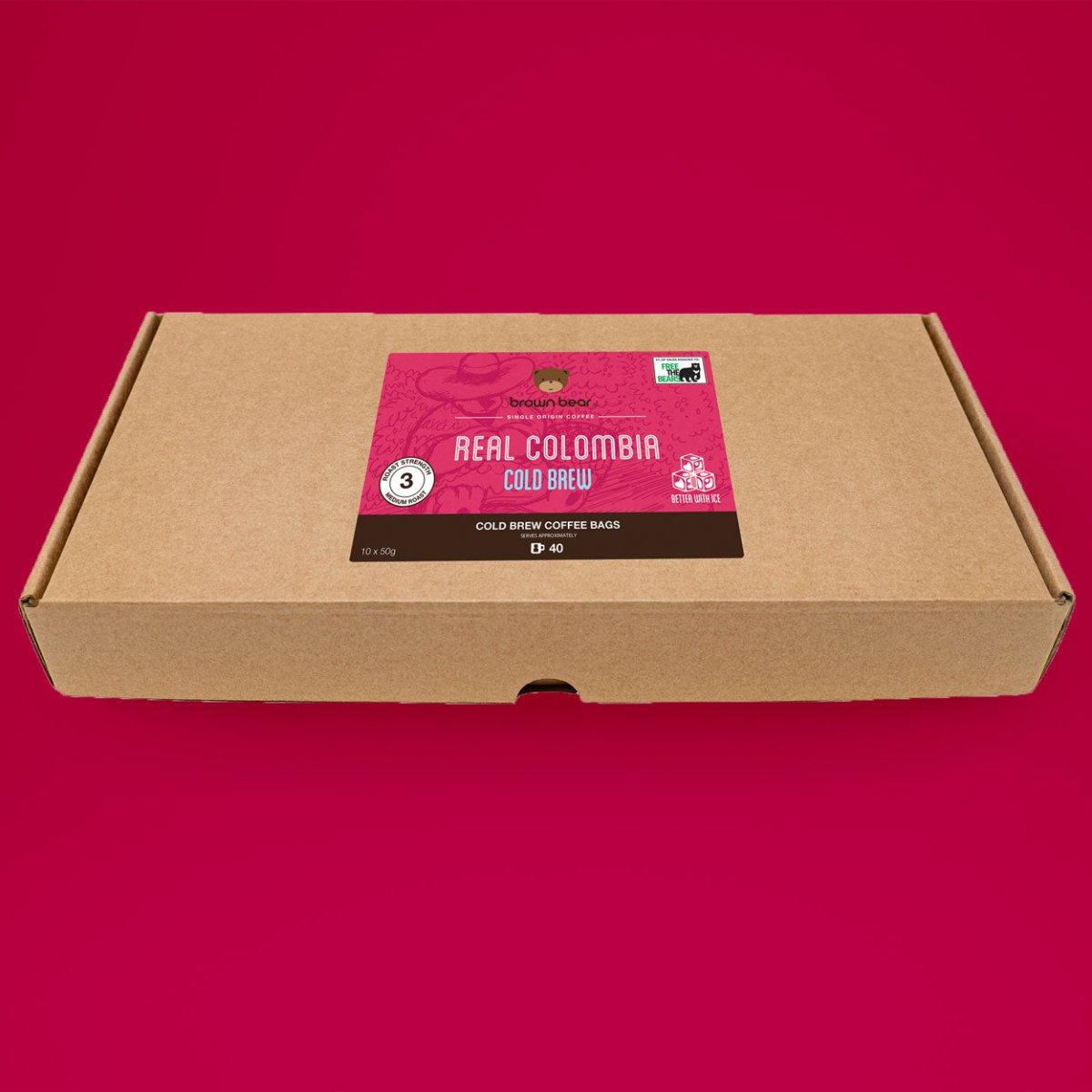
Coffee bags make an excellent addition for busy mornings, office drawers, holidays or anyone who wants a proper cup without extra kit. They are also a safe choice in a gift bundle when you are not sure what brewing equipment the recipient owns. Cold brew products suit people who prefer chilled coffee or want an easy fridge-ready option during warmer months.
You do not need to include every format in one bundle. In fact, that can make it feel less considered. Choose formats that solve a real need. A whole-bean bundle for an espresso fan is more useful with a small bag of decaf beans than with coffee bags they may never reach for. Conversely, a gift for a colleague may be better built around coffee bags and a versatile ground coffee than beans requiring a grinder.
Build around a clear occasion
Coffee bundles feel more thoughtful when they suit a moment. For a birthday or thank-you present, keep the selection approachable and gift-ready. A mix of roast levels works well, particularly if you include a card explaining which coffee to try first. For a new-home gift, favour flexible formats and familiar flavours that suit the inevitable first few busy days.
A household bundle has a different job. It should prevent the frustrating moment when the favourite bag runs out. Here, it makes sense to buy a larger quantity of the everyday coffee, then add one bag for variety and one decaf or alternative format. This is also where a repeat order or flexible subscription can take the effort out of keeping the coffee shelf stocked.
For an enthusiast, build a comparison they can genuinely enjoy. Keep one variable consistent where possible. You might choose three origins at a similar roast level, or explore light, medium and dark versions of a broadly familiar flavour style. That gives them a clearer tasting experience than a random mix of beans, bags and cold brew.
Get the quantity right
A bundle should feel plentiful, not overwhelming. Coffee is at its best when it is enjoyed fresh, so buying too much for a single drinker can work against you. Consider their likely pace: a person making one or two cups each day will get more value from several smaller bags than a large stash opened over months.
For a couple or busy household, a larger everyday bag can be practical, especially when paired with smaller bags for variety. If the bundle is a present, smaller formats make it easier for the recipient to try each coffee while keeping the gift polished and manageable.
It also helps to consider whether they drink decaf. Including decaf is not a compromise or an afterthought. It is one of the most useful additions to a coffee bundle because it extends when the gift can be enjoyed. Choose a flavourful decaf that feels like a proper coffee choice, not merely the one they reach for when they have no alternative.
Keep flavour contrast clear
When you choose several coffees, make their differences easy to understand. Use simple language such as smooth and nutty, rich and bold, or bright and fruity. The drinker should be able to pick a bag based on their mood without needing a lesson in extraction or processing methods.
A practical bundle might include a Brazil-style profile for a rounded, chocolatey cup, a Colombian coffee for balanced everyday drinking, and an Ethiopian or Kenyan coffee for a livelier change. The exact coffees will vary, but the principle stays the same: each bag should earn its place by offering something distinct.
Be careful with roast intensity. Dark roast is not automatically stronger in caffeine, and light roast is not automatically difficult to drink. What matters is the flavour experience and how it works with the brewer. A bold dark coffee can be a brilliant choice for a flat white, while a brighter light roast may shine in filter coffee. Give the recipient a reason to try each one in the way they already enjoy coffee.
Make it easy to open, store and reorder
The final detail is often what turns a nice bundle into one people come back to. Present the coffees in an order that makes sense: everyday first, then the bolder or brighter option, with decaf clearly separated. If it is a gift, add a short note with a simple suggestion such as “start here” or “save this one for the weekend”.
Freshness is easier to protect when bags are kept sealed, cool and dry. There is no need to refrigerate coffee. Once opened, reseal the bag well and keep it away from direct sunlight, strong smells and heat. Buying coffee in manageable amounts is usually better than stockpiling it.
For regular drinkers, remember what worked. The easiest coffee bundle to maintain is often one built from a reliable favourite, a rotating discovery bag and a decaf or convenient backup. Brown Bear’s broad choice of roast levels and formats makes that kind of repeatable mix straightforward, whether it is heading to your own kitchen or being wrapped as a gift.
A well-built bundle gives someone a coffee for Monday mornings, one for slower cups, and an option for when caffeine is not the plan. Leave room for their habits, and the bundle will feel less like a selection of products and more like a genuinely useful part of their day.

